The Annual Call: Preparing for RSPB Big Garden Birdwatch with Essential Feeding
As the chill of winter truly bites and the days remain short, our gardens become vital havens for local wildlife. For many, this time of year brings with it a sense of anticipation for one of the UK's most cherished annual events: the RSPB Big Garden Birdwatch. Scheduled for the 23rd to 25th January 2026, this globally significant garden wildlife survey invites everyone to dedicate just one hour to observing and recording the birds that visit their outdoor spaces. But beyond the joy of observation, it's a critical time to consider how our actions, particularly our approach to RSPB bird feeding, can make a profound difference to the survival and well-being of our feathered friends.
The RSPB Big Garden Birdwatch isn't just a pleasant pastime; it's a powerful exercise in citizen science. The data collected by hundreds of thousands of participants helps the RSPB monitor trends in bird populations, identify species in decline, and understand the impact of environmental changes. Your contribution, however small, feeds directly into crucial conservation efforts. And at the heart of ensuring a vibrant garden for the Birdwatch and beyond is thoughtful, consistent, and appropriate bird feeding.
The Critical Role of RSPB Bird Feeding: Why Your Garden Matters
Winter presents immense challenges for birds. Natural food sources like berries, seeds, and insects become scarce, while shorter days mean less time to forage. Coupled with the energy demands of staying warm in freezing temperatures, birds often face a 'hungry gap' – a period, typically from January to early May, where survival can be precarious. This is precisely when your winter bird feeding efforts become a lifeline.
Providing supplementary food can significantly boost a bird's chances of survival, allowing them to maintain energy reserves and even prepare for the demanding breeding season ahead. A well-stocked feeding station isn't just about attracting more birds for the Big Garden Birdwatch; it's about providing essential support during the leanest months. Even small gardens can offer an invaluable pit stop, a reliable source of nutrition that can make the difference between life and death for individual birds and contribute to the resilience of local populations.
Beyond the immediate survival aspect, consistent RSPB bird feeding throughout the year fosters a deeper connection with nature. It allows us to observe fascinating avian behaviours up close, identify different species, and appreciate the delicate balance of our local ecosystems. It’s an incredibly rewarding experience that starts with understanding what and how to feed them safely and effectively.
Essential RSPB Bird Feeding Tips for a Thriving Garden
To ensure your garden is a true haven for birds, especially leading up to and during the Big Garden Birdwatch, consider these practical tips:
1. Choose the Right Food
Not all bird food is created equal. Focus on high-energy options that provide essential nutrients:
- Sunflower Hearts: De-husked sunflower seeds are a favourite of many species, from Tits to Finches and even Blackbirds. They are nutritious and leave no mess.
- Black Sunflower Seeds: While they have husks, these are rich in oil and fat, providing excellent energy. Great for birds with stronger bills like Greenfinches.
- Nyjer Seeds: Tiny and oil-rich, these are a particular favourite for Goldfinches and Siskins. They require a special feeder.
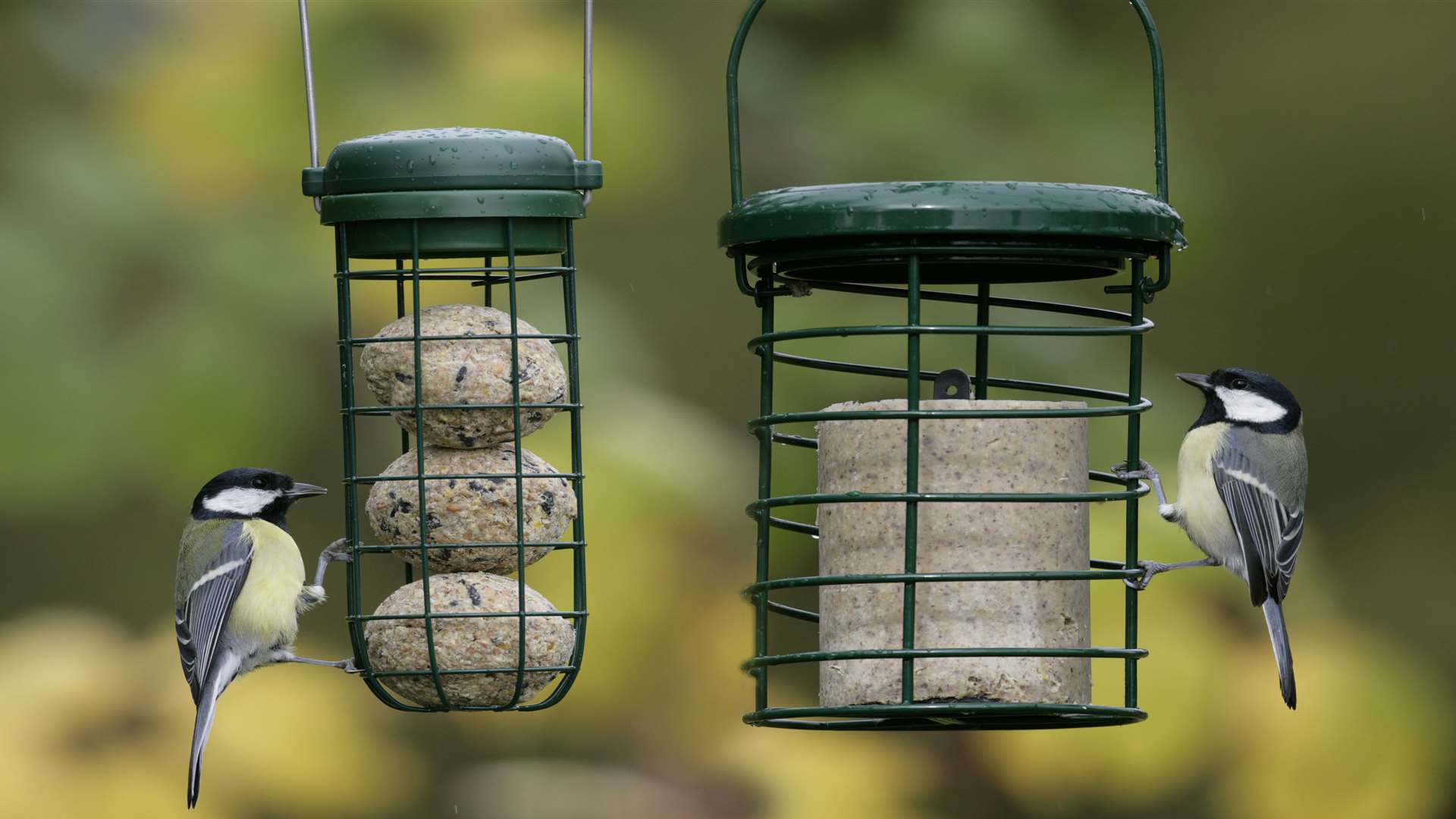
- Suet and Fat Balls: Packed with calories, these are crucial for warmth in winter. Opt for high-quality, net-free fat balls to prevent birds from getting tangled.
- Peanuts: Rich in fat and protein. Always offer them in a mesh feeder to prevent young birds from choking.
- Mealworms: Dried or live, these are a protein-rich treat, particularly loved by Robins, Blackbirds, and other insect-eaters.
- Quality Seed Mixes: Look for mixes with a high proportion of sunflower hearts, nyjer, and crushed peanuts, and minimal cheap fillers like oats and split peas, which often get discarded.
Avoid offering bread as it has low nutritional value and can swell in a bird's stomach. Similarly, never give salted foods, milk, or desiccated coconut.
2. Placement Matters
Where you place your feeders can significantly impact bird safety and activity:
- Predator Protection: Position feeders where birds have a clear view of their surroundings, away from dense shrubs where cats might hide. Around 2 meters from cover is ideal.
- Shelter from Elements: Choose a spot that offers some protection from strong winds and heavy rain, allowing birds to feed more comfortably.
- Varying Heights: Different species prefer different feeding heights. Ground feeders (like Blackbirds and Dunnocks) appreciate scattered food or ground feeders, while Tits and Finches prefer hanging feeders.
- Window Safety: Place feeders either very close to windows (less than 1 meter) or further away (more than 5 meters) to reduce the risk of collisions.
3. Hygiene is Crucial
A dirty feeding station can spread diseases quickly. Regular cleaning is paramount:
- Clean Regularly: Clean feeders and bird baths at least once a week, more often during peak feeding times or if you notice sick birds.
- Use Disinfectant: Use a mild disinfectant (like a 5% bleach solution) and scrub thoroughly. Rinse extensively and allow to dry completely before refilling.
- Move Feeders: Occasionally move feeder locations to prevent a build-up of droppings underneath, which can attract pests and spread disease.
4. Provide Fresh Water
Birds need water for both drinking and bathing, even in winter. A bird bath, kept clean and topped up with fresh water daily, is a wonderful addition to any garden. In freezing weather, break any ice that forms.
Supporting Our Farmland Feathered Friends Beyond the Garden Gate
While garden RSPB bird feeding is vital, it's also important to remember the plight of birds beyond our immediate fences. The reference context highlights the severe decline of small UK farmland birds such as Yellowhammers, Linnets, Chaffinches, and Corn Buntings. These species face challenges like habitat loss, changes in agricultural practices, and a severe shortage of food during the 'hungry gap'.
Organisations like The Farmland Bird Aid Network (FBAN), co-chaired by Genny from A Blackbird Sang and founded by Louise Spicer, are dedicated to addressing this crisis. This registered charity actively works with local communities and landowners, providing supplementary feeding, monitoring populations, and conserving habitats for these vulnerable species. Their work in West Oxfordshire, for example, has been a lifeline, supporting these birds through their toughest months from January to early May.
While your garden efforts directly benefit garden birds, creating a wildlife-friendly space also contributes to a broader network of support. A thriving garden can act as a crucial 'stepping stone' for birds moving between different habitats, including those from nearby farmland. The joy of seeing the "flash of yellow of a male Yellowhammer or the pink of a Linnet" is indeed a sight to be celebrated, reminding us of the interconnectedness of our efforts.
Your RSPB Big Garden Birdwatch Checklist: Get Ready!
With the 23rd-25th January 2026 approaching, here’s a quick checklist to ensure you're fully prepared for the world's largest garden wildlife survey:
- Stock Up: Ensure you have a good supply of high-quality bird food.
- Clean Up: Give all your feeders and bird baths a thorough clean.
- Placement Check: Review the placement of your feeders for optimal bird safety and visibility.
- Identify Your Spot: Choose a comfortable spot in your home with a clear view of your garden where you can spend your hour.
- Get Your Guide: Have a bird identification guide or app handy. The RSPB website offers excellent resources.
- Practice Makes Perfect: Spend some time in the weeks leading up to the Birdwatch practicing identifying common garden birds.
- Download Forms: Visit the RSPB website to download your survey form or prepare to submit your results online.
- Spread the Word: Encourage friends and family to take part! The more participants, the more valuable the data.
Remember, the Big Garden Birdwatch is easy – it only takes an hour. Your observations, no matter how few birds you see, are incredibly valuable. Every single count contributes to a clearer picture of bird populations across the UK.
Conclusion
The RSPB Big Garden Birdwatch is more than just a survey; it's a testament to our collective power to observe, understand, and protect the natural world right on our doorsteps. By embracing thoughtful RSPB bird feeding practices, not only do we create inviting havens for our garden birds, but we also contribute to a larger conservation narrative that extends to struggling farmland species. So, as January 2026 approaches, let's prepare our gardens, sharpen our observation skills, and join thousands of others in this vital annual event. Your hour of counting, coupled with consistent feeding, truly helps ensure a brighter future for the birds we cherish.