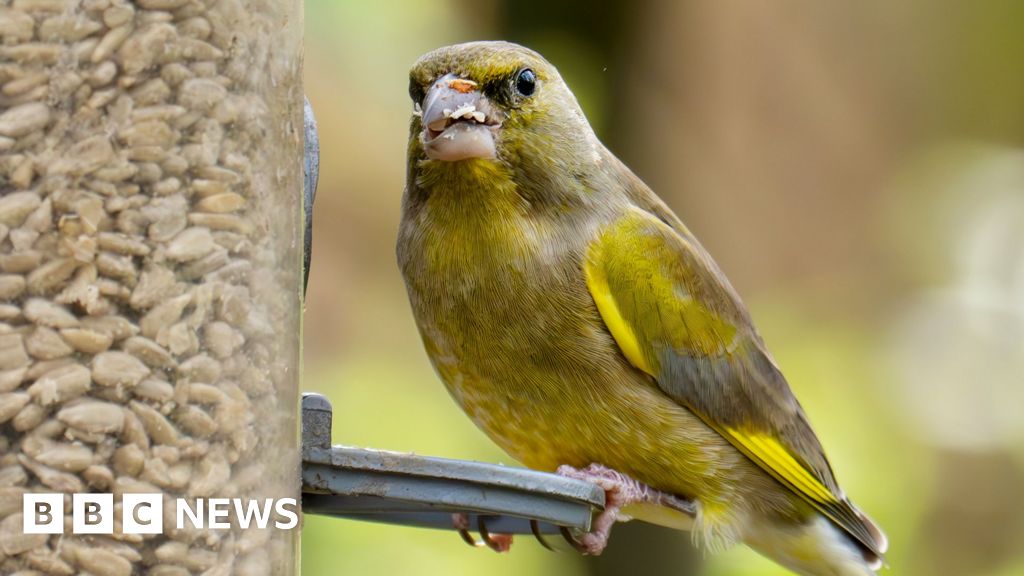
Winter Bird Feeding: A Lifeline for Farmland Birds During the Hungry Gap
As the vibrant colours of autumn fade and winter’s chill descends upon the landscape, many of us turn our thoughts to keeping warm indoors. Yet, for countless wild birds, particularly those inhabiting our precious farmlands, winter presents a relentless battle for survival. This is especially true during the period known as the ‘hungry gap’, a critical stretch from January through early May when natural food sources are at their scarcest. The Royal Society for the Protection of Birds (RSPB) and dedicated conservation groups tirelessly advocate for and engage in supplementary feeding, making rspb bird feeding initiatives a beacon of hope for these vulnerable species. By understanding the challenges birds face and acting on practical advice, we can all play a vital role in supporting these cherished creatures through their toughest season.The Critical 'Hungry Gap' and its Impact on Farmland Birds
The term 'hungry gap' is not an exaggeration; it perfectly encapsulates the severe food shortage that small farmland birds endure from late winter into early spring. During this period, residual seeds from agricultural crops have been largely consumed or buried, insects are dormant, and berries have long since been depleted. Birds must contend with harsh weather conditions – often freezing temperatures, strong winds, and snow – which demand high energy reserves to maintain body heat and simply stay alive. For small birds, a lack of food can quickly become fatal. Their high metabolic rates mean they need a constant supply of calories, and without it, they can rapidly lose condition. Species such as the beautiful Yellowhammer, with its distinctive yellow head and song, the delightful Linnet with its rosy breast, the ever-present Chaffinch, and the increasingly rare Corn Bunting are all particularly vulnerable. These are the birds that once thrived across our agricultural landscapes but have seen significant declines due to habitat loss, changes in farming practices, and pesticide use reducing their natural food supply. Observing a male Yellowhammer's bright flash of yellow against a drab winter backdrop, or the delicate pink of a Linnet, is a truly uplifting experience. These moments remind us of the beauty we risk losing if we don't step in to help. Supplementary feeding during the hungry gap directly addresses this critical need, providing essential sustenance when natural resources are at their lowest ebb, giving these birds the energy they need to survive until spring returns.Beyond Your Garden: Community Efforts and the Farmland Bird Aid Network
While feeding birds in your garden is invaluable, supporting farmland birds often requires a more coordinated, landscape-scale approach. This is where dedicated organisations and community initiatives, often inspired by or working in parallel with the RSPB's broader conservation goals, become indispensable. One such example is The Farmland Bird Aid Network (FBAN), a registered charity dedicated to promoting the conservation of declining farmland bird species. Operating in areas like West Oxfordshire, FBAN exemplifies how targeted supplementary feeding can make a significant difference. Established in 2003 by Louise Spicer, this network works closely with local communities and landowners to provide vital food during the hungry gap. Their mission extends beyond just putting out food; it encompasses comprehensive monitoring of bird populations and crucial habitat conservation efforts. Genny, co-chair of FBAN, and her work with A Blackbird Sang, highlight the passion and commitment that drive such initiatives. The principles behind FBAN's success align perfectly with the broader ethos of rspb bird feeding – recognising that conservation is a collective effort. By providing high-energy seeds and other appropriate foods in strategic locations across farmlands, these groups ensure that species like Yellowhammers and Corn Buntings have access to the calories they desperately need. This community-led approach demonstrates that effective bird conservation requires engagement from all levels, from individual gardeners to landowners and dedicated charities. It’s a testament to what can be achieved when people come together to protect our natural heritage.How You Can Make a Difference: Practical rspb Bird Feeding Tips
You don't need to own acres of farmland to contribute significantly to bird welfare during the hungry gap. Your garden, however small, can become a crucial refuge and feeding station. Here’s how you can make your rspb bird feeding efforts count: 1. Choose the Right Foods: High-energy foods are paramount in winter. * Black Sunflower Seeds: Rich in oil, loved by many species. * Nyjer Seeds: A favourite for finches like Linnets and Goldfinches. * Suet or Fat Balls: Packed with calories, ideal for cold weather. Ensure they are good quality and net-free to prevent birds getting trapped. * Peanuts (unsalted, raw): Best offered in a mesh feeder to prevent choking. * Mealworms: Excellent protein source, especially beneficial as birds prepare for breeding season. * Mixed Seeds: Look for mixes without cheap fillers like split peas or lentils, which birds often discard.For more detailed guidance on what to offer, you might find our article Support Declining Farmland Birds: Your Guide to RSPB Bird Feeding particularly helpful.
2. Strategic Feeder Placement: * Place feeders in a sheltered spot, protected from strong winds and rain. * Ensure they are close to cover (bushes or trees) so birds can quickly escape from predators, but not so close that predators can ambush them from the foliage. * Consider different types of feeders – hanging feeders for seeds, ground feeding trays for species like Yellowhammers and Chaffinches who prefer to forage on the ground (always scatter thinly to avoid attracting rodents). 3. Consistency is Key: Once you start feeding, try to do so regularly, especially during severe weather. Birds become reliant on predictable food sources. Top up feeders daily, ideally in the morning and late afternoon. 4. Maintain Hygiene: This is critical to prevent the spread of diseases. * Clean feeders and bird baths regularly (at least weekly) with a mild disinfectant solution (e.g., a 5% solution of household bleach) and rinse thoroughly. * Move ground feeding areas frequently to prevent a build-up of droppings. * Wash your hands thoroughly after handling feeders or bird food. 5. Provide Water: A shallow dish of fresh water is just as important as food, particularly when natural water sources are frozen. By implementing these practices, you provide a crucial lifeline, making your garden an integral part of the wider network of support for both garden and farmland birds.